
ATA 49 APU plenum and compartment
On the ground, cabin air starts in the tail cone.
DASH Aero cleans the APU inlet plenum and compartment on Airbus A320 family aircraft, using a patented process that keeps every drop contained, without taking the aircraft out of service.
- Patented
- US 10,703,510APU cleaning system and method
- Certified
- ISO 9001:2015DEKRA, certificate 112711.00
- Aircraft
- Airbus A320 familyAPU inlet plenum and compartment
- Founded
- 2018, OrlandoBy David Allen and Sandy Showalter
ATA 49 Why the APU
The APU is a known way for oil to reach A320 cabin air.
On the ground, bleed air from the APU load compressor runs through the pneumatic system to the air conditioning packs. Whatever reaches the APU inlet has a path to the cabin.
Airbus set this out in its own technical magazine in 2013. The routes it described have not changed.
A source of in-service contamination events reported on the A320 Family fleet is the APU.
Oil
Internal leakage in the APU, or oil drawn back into the intake. Airbus notes that a very small amount is enough to be noticed in the cabin.
Hydraulic fluid
Leaks in the main landing gear bay can run aft along the outside of the fuselage to the APU air intake.
De-icing fluid
Drawn in when APU bleed is left on during de-icing. Airbus recommends waiting three to four minutes afterward before selecting it back on.
Exhaust
From nearby engines or ground power units, pulled in through the same intake.
Source: Airbus, FAST 52. Read the full explainer with every source
The work
The inlet plenum, and the compartment around it.
This is the area the AMM sends you into when a smell has already been reported. We clean it before that, as scheduled maintenance.
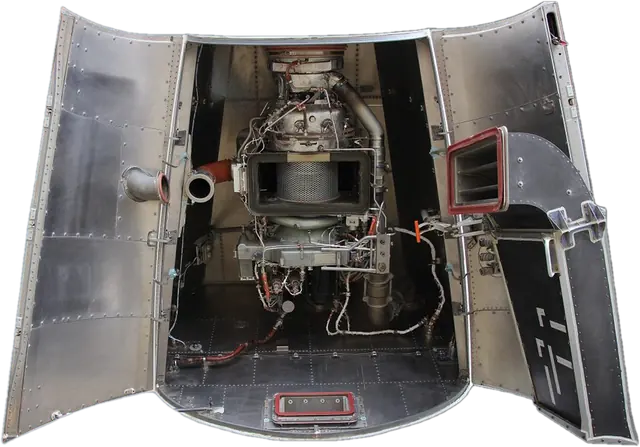
Inlet plenum
Where outside air gathers on its way into the APU. Residue here sits directly in the air path.
Air intake duct
The duct that carries outside air from the intake flap to the plenum.
Compartment
Walls, floor, frames and fittings, where leaked fluids settle and drains can block.
Access doors
Cleaned on the inside, and used to anchor the containment curtain while the work is done.
How it works
Contained from the first drop to the last.
The method is covered by US Patent 10,703,510. It was designed around one idea: an APU compartment can be cleaned properly without a wash bay, as long as nothing that comes off it ever reaches the ground.
Rig the station
Access doors open. A water impervious curtain, including a collection basin on the platform, is erected under the compartment.
Clean
Steam and hot water on the plenum and every surface of the compartment, by a technician working inside the enclosure.
Capture
Runoff falls into the basin and is pumped to storage. None of it touches the ramp.
Dispose and close
The collected water is disposed of per local regulations. The doors close, the job is recorded, and the aircraft is handed back.
Where the work happens
On the ramp, at the gate or in the hangar.
The equipment comes to the aircraft and sets up under the tail. Because the runoff never reaches the ground, the job does not need a wash bay, and it can be done at airports with strict rules about what goes into the storm drains.
In the United States, EPA guidance is plain: aircraft wash water does not go to a storm drain. Where APU wash water goes
The results were highly convincing: The system demonstrated superior effectiveness in removing contamination, while also offering notable advantages in handling and processing time compared to current cleaning methods.
On the line
| When | April 2026 |
|---|---|
| Where | Vienna, on an Austrian Airlines A320 |
| What | First on-wing trial of a new APU steam cleaning unit, developed with RH Aero |
| Scope | APU air inlet, inlet plenum and compartment |
Founders
Two people who grew up on the ramp.
DASH Aero was started in 2018 by David Allen and Sandy Showalter, who between them have spent most of their lives around aircraft that need looking after. Both are named inventors on the patent.
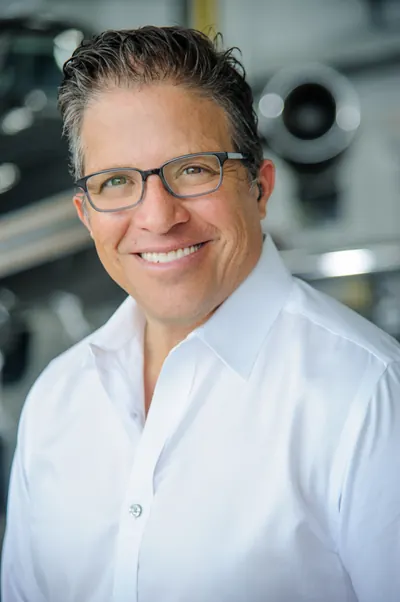
David Allen
Co-founder and CEO
David started washing cars at fifteen, on the edge of the Indianapolis Motor Speedway, and followed the IndyCar circuit through his summers cleaning team transporters. A client asked him to detail a single engine airplane. Then a twin. He earned his pilot certificate and moved into corporate aviation.
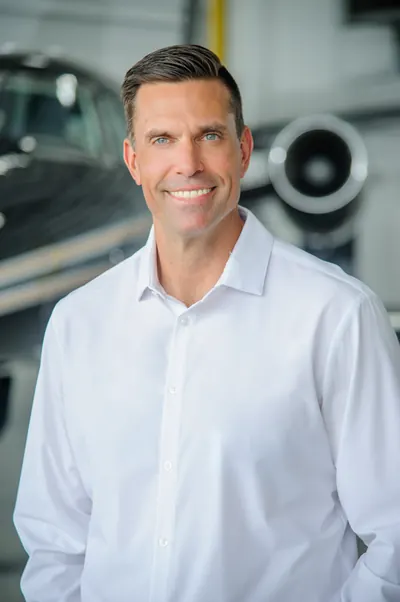
Sandy Showalter
Co-founder and COO
Joseph S. "Sandy" Showalter grew up on the ramp at Showalter Flying Service, the Orlando FBO his family ran for more than seventy years before selling it to Atlantic Aviation in 2015. By high school he was sweeping hangars and washing airplanes, and he later ran marketing and aircraft sales for the family business.

Talk to the people who designed the process.
Tell us your fleet, your bases and what prompted the question. The first conversation is with someone who has done this work on the ramp, not with a sales team.
Start the conversation